Recycling and Sustainability at Freezywater Storage
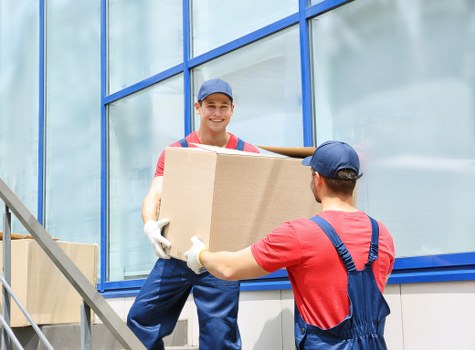 At Freezywater Storage, recycling is treated as an everyday operational priority rather than a side activity. Our approach to storage sustainability is built around reducing waste, separating recyclable materials carefully, and making sure reusable items stay in circulation for as long as possible. We set a clear recycling percentage target across our site operations, with the aim of diverting a significant share of non-hazardous waste from landfill through responsible sorting and onward processing. This includes cardboard, rigid plastics, shrink wrap, metal, and wood where suitable, with staff trained to keep materials clean and uncontaminated so they can be accepted by local recycling routes.
Our Sustainability Approach
We recognise that responsible recycling at storage facilities depends on practical routines. That is why waste separation is embedded into daily operations, from packing areas to maintenance zones. We use clearly marked containers for different waste streams and encourage careful segregation so recyclable materials are not mixed with general waste. In a region where local boroughs often apply different approaches to household and commercial waste separation, that same principle of sorting at source helps improve recovery rates and reduce contamination. By applying a simple but disciplined system, Freezywater Storage supports a cleaner, more efficient recycling process.
 We also work to minimise unnecessary waste before it enters the bin. Wherever possible, packaging is reused for internal handling, and materials that can be repurposed are kept in use for future storage tasks. This includes reusing pallets, consolidating shipments to reduce empty space, and selecting durable materials that last longer and create less disposable waste over time. Our storage recycling programme is not only about disposal; it is also about prevention, reuse, and smarter purchasing. That mindset helps us reduce our environmental footprint while supporting more circular use of everyday supplies.
Local Recycling Routes and Transfer Stations
When waste must leave the site, we prioritise nearby local transfer stations and authorised waste facilities that can sort, recover, and process materials efficiently. Using local infrastructure reduces travel distance and helps lower emissions associated with disposal. In practical terms, this means recyclable loads are directed to facilities equipped to manage mixed dry recyclables, timber recovery, and general sorting operations that support borough-level recycling goals. This localised route is especially important in North London and surrounding areas, where boroughs often place emphasis on separating food waste, paper and card, plastics, and metals to improve recovery outcomes.
Freezywater Storage also keeps a close eye on waste quality because the cleaner the material, the higher the chance of successful recycling. Cardboard must be dry, plastic wrap should be kept free of heavy contamination, and metal items need to be sorted from non-recyclable fixings. These habits align with wider local recycling expectations, where households and businesses are encouraged to sort waste streams carefully for better processing. By matching our procedures to these standards, we help ensure that materials from the site are handled responsibly and can re-enter the resource cycle more easily.
 Another important part of our sustainability strategy is choosing disposal partners who demonstrate proven environmental performance. We look for routes and processors that support landfill diversion, material recovery, and traceable waste management. This gives us greater confidence that our freezywater recycling practices are contributing to genuine resource recovery rather than simple waste removal. The result is a more transparent system that supports both operational efficiency and wider environmental responsibility.
Partnerships That Extend Reuse
Freezywater Storage also values partnerships with charities and community reuse organisations. Items that are still usable but no longer needed in daily operations may be redirected to charitable channels where appropriate, helping extend the life of furniture, equipment, shelving components, office supplies, and other durable goods. This approach reduces waste while supporting local good causes, creating a practical link between sustainability and community benefit. Rather than sending serviceable items straight to disposal, we aim to identify reuse opportunities first.
These charitable partnerships sit alongside our wider commitment to responsible inventory management. When materials are suitable for reuse, they are separated from general waste and assessed carefully so they can be donated or passed on through trusted partners. That process reflects a broader recycling and reuse culture, where the best environmental outcome is often to keep an item in use rather than process it as waste. In that sense, sustainability at Freezywater Storage means more than recycling alone; it includes reuse, recovery, and thoughtful resource stewardship.
 We also monitor procurement choices to support these goals. Packaging specifications, supplier materials, and maintenance products are reviewed with waste reduction in mind. Where possible, we prefer items with recycled content, recyclable packaging, or longer service lives. These decisions may appear small, but together they help lower the amount of material entering the waste stream and support our recycling percentage target over time. A consistent focus on better inputs leads to better outcomes at the end of the product life cycle.
Low-Carbon Vans and Smarter Transport
 Transport is another area where sustainability matters. Our low-carbon vans play an important role in reducing the environmental impact of site logistics, collections, and internal movements. By using more efficient vehicles with lower emissions, we reduce the carbon footprint associated with waste handling and supply runs. Combined with route planning and load efficiency, this helps ensure that the movement of materials is as lean and environmentally responsible as possible.
We view vehicle choice as part of the same wider system as waste sorting and material recovery. A recycling programme is strongest when collection methods, transfer routes, and transport emissions are all considered together. That is why our sustainability at Freezywater Storage approach includes continuous review of journey planning, vehicle usage, and opportunities to reduce unnecessary trips. It is a practical way to align day-to-day operations with lower-carbon goals while maintaining dependable service.
Looking ahead, Freezywater Storage will continue to strengthen its recycling performance, deepen its use of local transfer stations, and explore more partnerships that keep items in circulation for longer. By combining disciplined waste separation, charity reuse, and low-carbon vans, we aim to make our site operations cleaner and more resource-conscious. The outcome is a storage facility that treats sustainability as a working standard, not a one-off initiative, and that supports the wider environmental efforts of the community around it.